

 The Wound
 Our History
 Why Me?
 Our Cultures
 My Response

NEW - Learn and Do resources
Ready-to-go activities, to save you time and engage your students
Find out more
NEW - Learn and Do resources
Find out moreYear 9
Y9 Geography – Caring for Country together
Students explore how we all connect with Country, and special places for individuals – internationally and in Australia. Students learn how we can, and should, work together to manage and protect special places in partnership with First Nations Peoples.
Y9 Maths – Hunting down quadratics
Students examine real-life examples of parabolas and how they relate to quadratic equations. They learn about applications of parabolas to hunting techniques like spear throwing and explore this through practical activities with projectiles to recreate the trajectories of hunting weapons.
Y9 Languages – Acknowledging Country
Students explore their own culture and identity to prepare for learning about First Nations connection to Country and conventions for acknowledging Country. They role-play in the target language, translate short texts, and communicate their learning to a target culture audience through video posts.
Y9 Drama – The truth in our history
Students explore the effects and impacts of four major historical events on First Nations people. Using the philosophy and techniques of the choreographer Mary Overlie, students undertake a range of practical exercises to increase their awareness of this continent’s vast histories and rich cultures.
Y9 Music – Culture and identity through music
Students explore First Nations perspectives in Australian music through listening, lyric analysis and discussion. They collaborate to develop and present original musical responses to the idea of identity, deepening their understanding of First Nations contributions and fostering cultural harmony.
Y9 Science – Carbon dating First Nations history
Students examine how current carbon-dating science supports First Nations Peoples’ ancient oral histories of and long presence on this continent. Students research and present on ancient artefact locations and learn how advances in technologies are giving a greater insight into the continent’s past.
Y9 Geography – Native food production and access
Students explore challenges in native food production and food access within Australia’s biomes. They consider issues within these biomes, as well as management solutions and programs. Students evaluate existing programs for their effectiveness in managing food production and access in Australia.
Y9 History – The Frontier Wars: 1770–1890
Students investigate how and why conflict occurred across the colonial frontier and the impacts on First Nations Peoples. Students analyse, compare and evaluate primary and secondary sources, investigating perspectives and events to understand the period and its significance to our nation’s history.
Y9 History – Shaping a diverse nation
In this unit, students focus on the histories, experiences and legacies of non-European migrants and First Nations Peoples in the pre-Federation context, through the analysis of primary and secondary sources. Students demonstrate their learning in an individual research and source analysis assessment.
Y9 Visual Arts – Identity and First Nations art
Students investigate ways First Nations artists explore identity, values and cultures through their visual arts practice, and examine their own. Students build awareness of cultural appropriation and how to avoid it. Using self-designed symbols, they create artworks and reflect on that process.
Y9 Drama – Culture, community and connection
Students gain an understanding of how First Nations Peoples can use theatre practices to challenge perceptions of identity. Students use experiential activities to explore identity and learn how theatre can raise awareness of oppression and challenge us to acknowledge Australia’s shared history.
Y9 English – Exploring First Nations texts
Students explore how First Nations Australian authors reflect unique ways of being, knowing, thinking and doing. This is achieved by reviewing the early history of First Nations literature and the difficulties of storytelling, and by analysing and contextualising protest poetry, drama and contemporary autobiographical writing.
Y9 History – Settlement versus invasion
Using the case study of January 26/Australia Day, students investigate links between history and national identity, and explore reasons for the contested nature of the terms settlement and invasion. They learn about academic history debates and how and why narratives often conflict with one another.
Y9 History – The Frontier Wars: Consequences of colonisation for Aboriginal peoples
Students examine reasons leading to the Frontier Wars between Europeans and Aboriginal and Torres Strait Islander peoples. They understand how Aboriginal and Torres Strait Islander peoples and culture were affected and disrupted by the invasion of Europeans on their lands, and the ongoing impacts.
Y9 Science – Heat transfer
Students investigate the principles of convection, conduction and radiation through a case study in possum skin cloaks, an important practical and cultural item for First Nations Peoples in south-eastern Australia. Students apply what they’ve learnt, as well as principles of biomimicry, to develop and test their own perfect insulators.
Y9 Science – Issues in feedback systems
In this biological sciences unit, students investigate disorders of feedback systems and effects on the development of products to address issues. Students research the relationships between First Nations healing and biomedical models in contemporary medical systems, and present findings to peers.
Y9 History – How the arrival of Europeans from 1788 impacted Aboriginal peoples
Students examine the different ways that Aboriginal communities and their cultures were affected and disrupted by the invasion of Europeans on their land. They understand the issues that caused the Frontier Wars. Students gain understanding and empathy about the ongoing effects of colonisation today.
Y9 English – How have Aboriginal and Torres Strait Islander literary texts emerged in Australia?
Students explore how Aboriginal and Torres Strait Islander peoples have traditionally been represented in literature in Australia. They examine stereotypes of people and misrepresentations of culture. Students then explore texts by Aboriginal and Torres Strait Islander authors.
Y9 Geography – Traditional food sources for Aboriginal and Torres Strait Islander communities
This topic examines the significant disruption to Australian biomes by European colonisation. Native flora and fauna have struggled to compete with introduced species. Alterations in diet have negatively impacted many Aboriginal and Torres Strait Islander people. Students suggest ways native food sources can be developed and promoted.
Y9 Science – Protecting Australian ecosystems
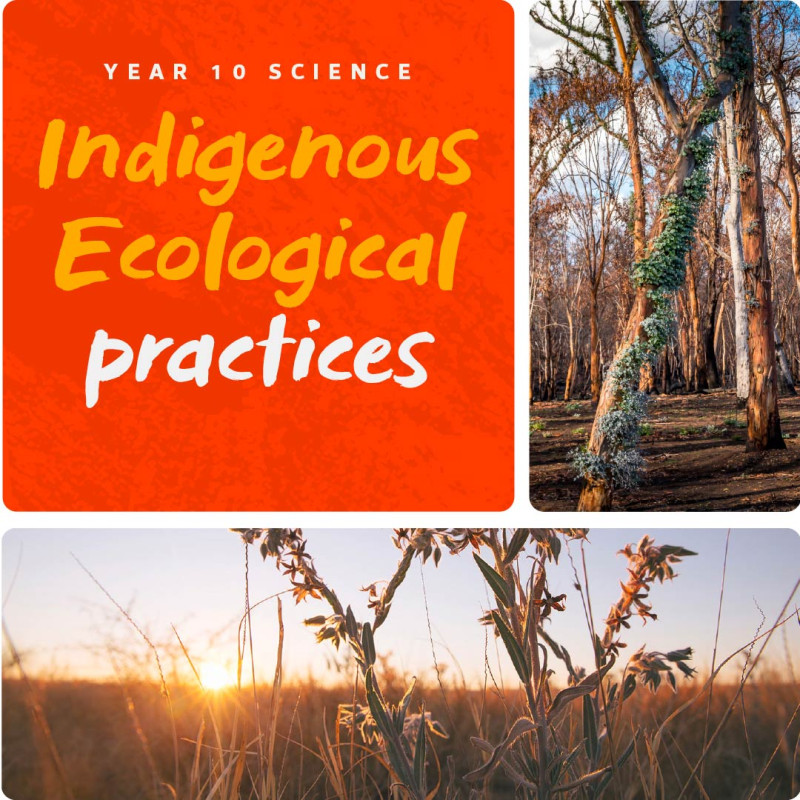
In this biological science unit, students explore the relationship humans have with ecosystems, focusing on the ways First Nations people have used and continue to use scientific knowledge to maintain ecosystems. Students investigate the use of fire to regulate biotic and abiotic factors in ecosystems, and as a land management technique.
Year 10
Y10 Languages – Acknowledging Country
Students explore their own culture and identity to prepare for learning about First Nations connection to Country and conventions for acknowledging Country. They role-play in the target language, translate short texts, and communicate their learning to a target culture audience through video posts.
Y10 Drama – The truth in our history
Students explore the effects and impacts of four major historical events on First Nations people. Using the philosophy and techniques of the choreographer Mary Overlie, students undertake a range of practical exercises to increase their awareness of this continent’s vast histories and rich cultures.
Y10 Music – Culture and identity through music
Students explore First Nations perspectives in Australian music through listening, lyric analysis and discussion. They collaborate to develop and present original musical responses to the idea of identity, deepening their understanding of First Nations contributions and fostering cultural harmony.
Y10 Visual Arts – Identity and First Nations art
Students investigate ways First Nations artists explore identity, values and cultures through their visual arts practice, and examine their own. Students build awareness of cultural appropriation and how to avoid it. Using self-designed symbols, they create artworks and reflect on that process.
Y10 Drama – Culture, community and connection
Students gain an understanding of how First Nations Peoples can use theatre practices to challenge perceptions of identity. Students use experiential activities to explore identity and learn how theatre can raise awareness of oppression and challenge us to acknowledge Australia’s shared history.
Y10 Maths – Exponential models of invasives
In this unit, students understand how to write and use exponential models to predict the growth of invasive species populations. They research methods of control, including those used by First Nations rangers, and advocate for a collaborative approach to control a local invasive species.
Y10 Science – First Nations science
Students learn about the contribution of First Nations knowledges to Western science, and the benefits of approaching science from different worldviews. They consider global issues using understanding of First Nations science and cultural knowledges, and show their understanding by writing a report.
Y10 History – European empires and decolonisation movements around the world
This unit contains an overview of how the global system of European empires eventuated, and the decolonisation movements that existed during them. Students understand how Aboriginal and Torres Strait Islander people are part of a global community of colonised peoples who share similar experiences.
Y10 Geography – Initiatives to improve the wellbeing of remote Indigenous communities
Students are given the history and context of current wellbeing policies for remote Indigenous communities. With this knowledge, they research ways in which Aboriginal and Torres Strait Islander people are proposing and implementing improvements that lead to improved health and social wellbeing.
Y10 Science – The biological evolution of First Nations Peoples to the harsh Australian climate
The past tells how our ancestors migrated across the world and came to settle in Sahul. A story of resilience is uncovered through studying the biological evolution of First Nations Peoples. Genetic isolation and extreme climate changes have given rise to societies rich in archaeological histories.
Y10 History – WWII First Nations perspectives
Students explore the inspiring stories of First Nations people who served Australia during WWII, as well as those who fought for their own rights before and after. By interrogating a rich range of sources, students hear the voices and perspectives of First Nations Peoples. Students complete a critical source analysis assessment.
Y10 English – Dreaming: old and new ways
This unit encourages students to engage with and appreciate a diverse range of First Nations Dreaming stories. By exploring modernised texts, which have transformed previously oral texts into contemporary forms, students begin to appreciate the cultural importance of Dreaming stories.
Y10 Science – Toxic or edible?
This chemical science unit looks at the chemical processes First Nations people use across the continent to detoxify substances (such as seeds) to make them edible. It covers processes such as leaching and fermentation.
Y10 Geography – Locally led wellbeing
Students explore community-led programs that improve wellbeing for First Nations people. They examine case studies to build their understanding of challenges and responses to human wellbeing in different settings and complete a summative report or proposal for a First Nations-led wellbeing project.
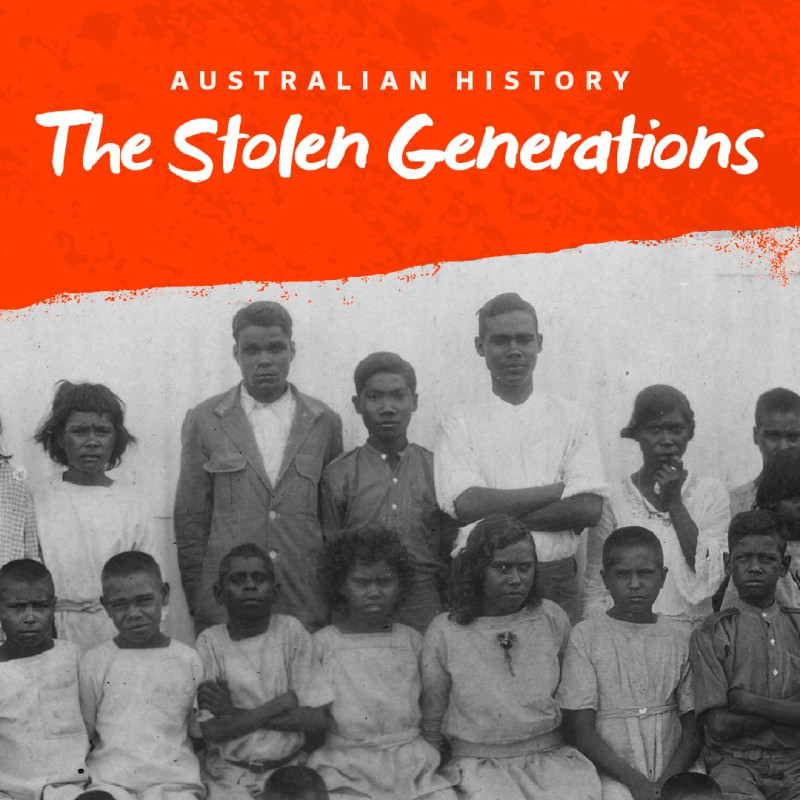
Y10 History – The experiences of Aboriginal and Torres Strait Islander people who were taken from their families as children
Students gain a comprehensive understanding of the Stolen Generations through the specific experiences of individual survivors. They examine policy and practice in their own state and explore and consider Aboriginal and Torres Strait Islander people’s perspectives and ongoing criticisms of child removal policies.
Y10 History – A comparison of Freedom Rides in the United States of America and Australia
This unit complements two other Australians Together resources on the Freedom Ride. It introduces the broad historical context and origins of racism and discrimination in the United States of America and Australia. Students understand the patterns and how the recognition of shared experiences led to the 1965 Australian Freedom Ride.
Y10 History – The aims, tactics and outcomes of the 1967 Referendum
This unit outlines the historical context of the 1967 Referendum and the aims, tactics and outcomes of the ‘yes’ campaign groups. Students are asked to evaluate campaign material and research the circumstances of the Referendum in their specific state or territory. They evaluate the Referendum’s limitations in its aftermath.
Y10 History – Charles Perkins and the Freedom Ride
Students learn about the Freedom Ride from the voice of its main Aboriginal participant, organiser and spokesperson, Charles Perkins. They learn about the experiences that shaped Perkins’ involvement, and consider the legacy of the Freedom Ride. This unit complements two other Australians Together resources on the Freedom Ride.
Y10 Geography – Differences in wellbeing across Australia for Indigenous populations
In this resource, students are led on a thorough examination of the concept of wellbeing as a way of measuring the state of a community. They understand how factors influencing wellbeing may differ between individuals and communities. Aboriginal and Torres Strait Islander people's concepts of wellbeing are explained.
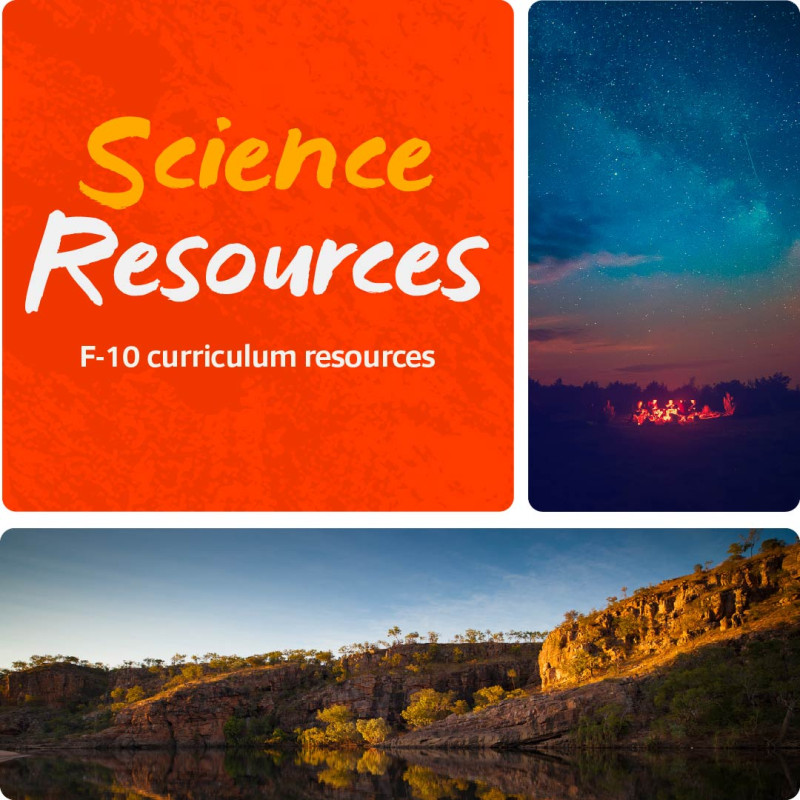
Y10 Science – Exploring First Nations knowledges of celestial bodies
As the first astronomers in Australia, First Nations Peoples have rich knowledges and understanding of the night sky and how it affects the land. First Nations Peoples have used knowledges of the celestial bodies for navigation, weather predictions and explaining the universe's origin through sky stories.
Y10 History – Continuing struggles for rights and equality by Aboriginal and Torres Strait Islander Peoples
This unit gives students an understanding of Indigenous peoples around the world. They learn about the introduction of the Declaration of the Rights of Indigenous Peoples, and then conduct a detailed examination of the contemporary issue of Aboriginal and Torres Strait Islander child removals, including current strategies for reduction.
Y10 History – Timeline of the Freedom Rides in the United States of America and Australia
This unit complements two other Australians Together resources on the Freedom Ride. The events surrounding the US and Australian Freedom Rides are listed on comparable timelines and students draw conclusions and make comparisons. They can create their own timeline from research of the itinerary of the Australian Freedom Ride.
Y10 History – Historical debates after the Bringing them home report in 1997
This unit uses the Bringing them home report and resultant public debates as a case study for examining how history can be constructed and understood. Students become aware of how academic history debates influence wider society. They realise there are many ways of understanding the past, depending on selection of facts or evidence.
Y10 Geography – Aboriginal and Torres Strait Islander Peoples’ approaches to environmental management
This resource gives students an overview of environmental management in Australia, and the ways that Aboriginal and Torres Strait Islander communities are involved. Students are guided with ways to research the topic independently and recommended activities incorporate key geographic ideas.
Y10 Geography – Ethical Research and Indigenous communities
Qualitative and quantitative data are outlined, and students get an overview of how approaches to researching Aboriginal and Torres Strait Islander people and communities have changed over the past few decades. Students investigate the emergence of Indigenous-controlled research, guidelines and protocols.
Y10 English – Comparison of Indigenous and non-Indigenous media sources
Students understand key differences between mainstream commercial media and Indigenous-controlled media. They learn about how and why regulations and codes of practice governing the mention of Aboriginal and Torres Strait Islander communities in media reports have come about. Ideas for critical analysis are given.
Y10 Civics and Citizenship – The High Court and the Mabo Decision
Students gain a detailed understanding of the role of the High Court in deciding in favour of native title. The student handout includes a historical overview including Eddie Koiki Mabo’s achievements. Students explore the aftermath of the decision and are encouraged to research the practical application of native title locally.
Y10 Civics and Citizenship – International human rights laws and Aboriginal and Torres Strait Islander Peoples
This unit gives students an overview of how United Nations international conventions and declarations are connected to Australian Government policies relating to Aboriginal and Torres Strait Islander Peoples. Students learn how recognition of these conventions has increased over time.

Learn and Do - 'grab-and-go' activities
New curriculum resources designed to spark student engagement through interactive activities. Students will discover stories of remarkable First Nations people and explore key concepts like Country, connection and wellbeing.

Need custom curriculum resources for your school or organisation?
Our expert team of curriculum writers, First Nations cultural advisors, and academics can create high-quality resources tailored to your needs. We partner with schools and organizations to develop meaningful, culturally responsive materials.
Get in touch for a free quote on our curriculum development services.
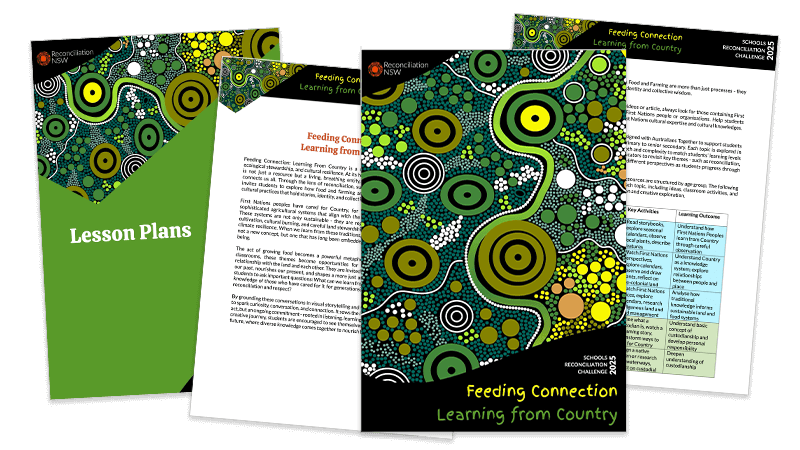
Want custom resources made for your school?
Partner with us to create tailored teaching and learning materials that embed First Nations perspectives. After working together, you’ll receive culturally appropriate, teacher-ready resources designed for your school’s unique needs.
Australians Together Learning Framework
Take a deep dive into the Learning Framework and explore our vast array of First Nations stories, activities, resources, and more. Curate your own customised learning journey to unlock the truth of our past, prompt reflection about our present, and inspire meaningful action that will bring about a brighter shared future for our nation.
Injustice from the impact of colonisation.
Discover our curated collection of stories, articles and statistics that expose the injustices at the heart of our nation.
Who are Indigenous Australians?
A past that shapes our story as a nation.
Tell stories that many Australians have never heard.
Immerse yourself in stories and articles to understand the connection between our nation’s past and present.
Busting the myth of peaceful settlement
Early missionaries to Australia
The civil rights movement in Australia


What’s it got to do with me?
Examines why this is relevant to every Australian.
Browse articles and stories that explore the ways we’re all connected, and what this means for us as Australians, collectively and individually.
What does this have to do with me?
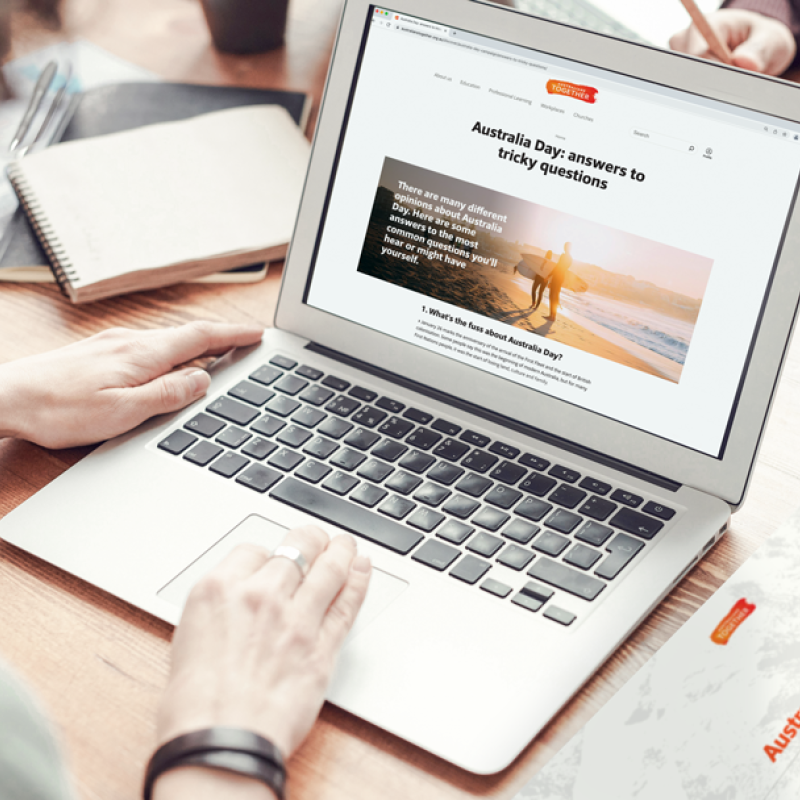
Australia Day: answers to tricky questions

Everyone has culture. Know about your culture and value the culture of others.
Dive into stories and articles that explore the significance of culture and its role in building a brighter future together.
Welcome to and Acknowledgement of Country


Steps we can take to build a brighter future.
Find inspiration in stories and articles that show even little steps can lead to big change when we do things together.
How do I get the most out of these resources?
The resources are designed to be flexible and modular, working around how you like to teach. You can use the resources exactly as they’re designed, or as a starting point from which to build your own lessons. Make them your own and use them to help you feel more confident in class.
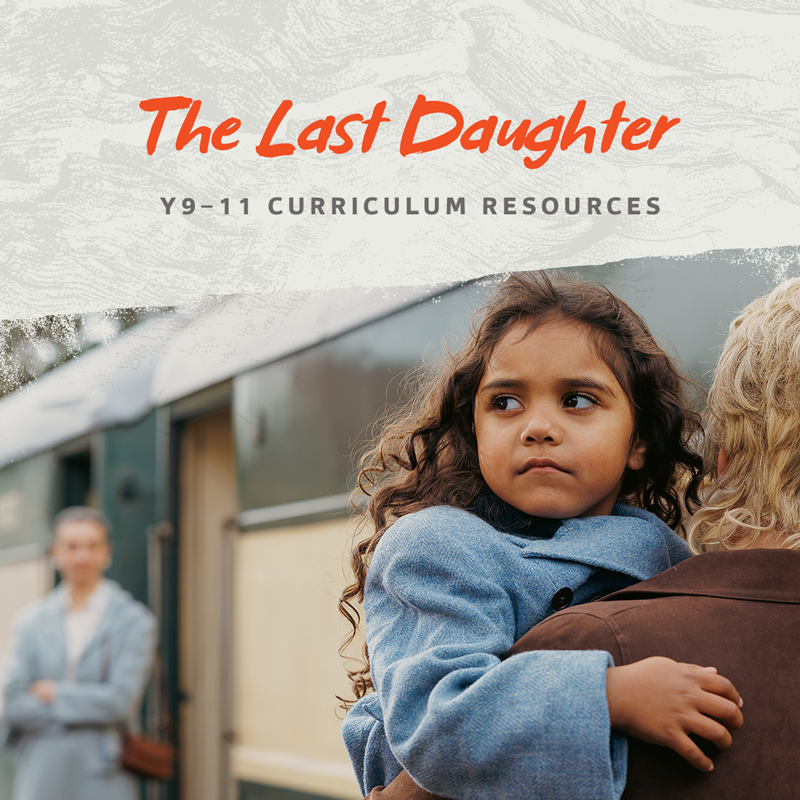
Ready-made resources that save you time and help engage students
Make a difference in your classroom with easy-to-use, ready-made resources that will help your students understand First Nations stories, experiences and perspectives.

- Everything is ready to go
- Save you time
- Authentic learning
How will Australians Together continue to help me?
Change takes time and we’re here to provide the support you need over the long term. We’re constantly building new resources and we love to hear from educators like you. Feel free to reach out at any point and we can see how we can help. Together we can build a brighter future and a more united Australia for everyone.
Here’s why so many teachers love our resources:
- Everything is ready to go
Our resources include teacher guides and student handouts. - Save you time
Teachers love our resources as they it saves them time when lesson planning and they’re packed full of activities that really engage students. - Authentic learning
Teachers are following our resources’ responsive framework to confidently teach about Aboriginal and Torres Strait Islander histories, cultures and perspectives.
Have your say

Lets talk
We'd love to hear your feedback, comment or suggestions.
contact@australianstogether.org.au
Phone: (08) 7073 6499
PO Box 107
PARK HOLME SA 5043