

 The Wound
 Our History
 Why Me?
 Our Cultures
 My Response

NEW - Learn and Do resources
Ready-to-go activities, to save you time and engage your students
Find out more
NEW - Learn and Do resources
Find out moreFoundation
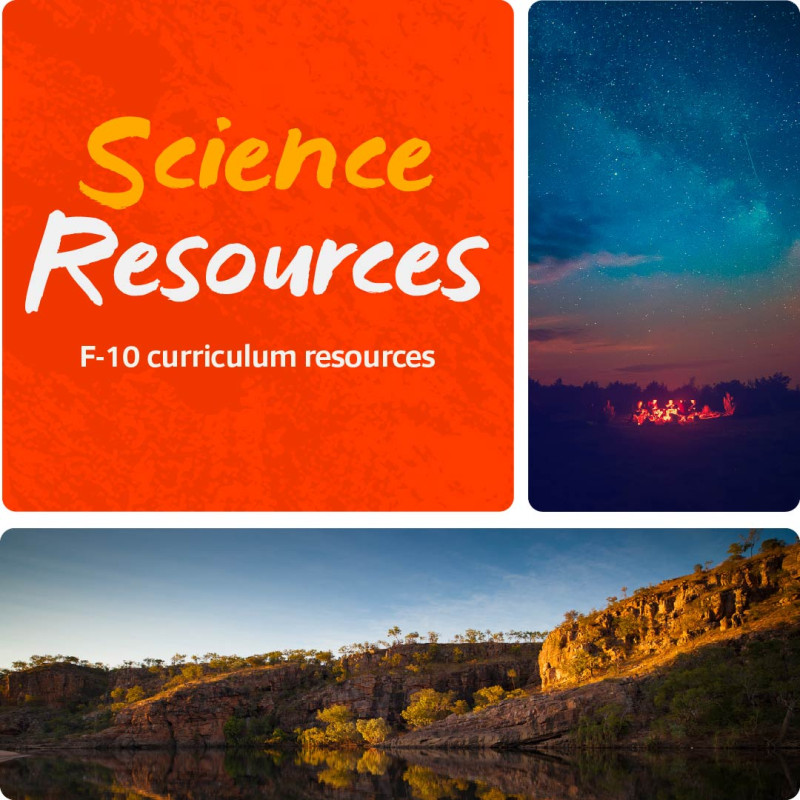
Foundation Science & English – Observing features of living things
Students identify the differences between living things, non-living things and once living things, and observe living things in nature using their senses. They explore how First Nations Peoples observe and communicate knowledge of physical features of living things.
Foundation Science & Design and Tech – Materials on Country
Students explore the relationship between various materials and their respective properties. They investigate the knowledges First Nations Peoples have about combining different materials for different purposes, and how the properties of materials affect their use.
Foundation Science & HASS – Caring for Country: how Indigenous scientific observation and cultural practices support ecosystems
This unit explores the special, reciprocal relationship First Nations Peoples have with Country. It investigates how Indigenous scientific knowledge, gained through observation of the environment, has informed cultural and land management practices for millennia enabling the land, sea, plants, animals and humans to survive and thrive.
Foundation Science & Health and PE – Bush toys: investigating how size and shape affects movement
Students investigate and observe how the size and shape of Indigenous instructive toys influences their movement by making simple toys and engaging with indoor and outdoor games. Students also look at the role toys play in the cultural life and education of First Nations children.
Year 1
Y1 Science, Design and Technologies, Maths & Health and PE – First Nations toys and games
Students play First Nations games, discover First Nations toys and investigate the forces of pushing and pulling through movements such as throwing, hitting, spinning and rolling. They design and make a toy using natural materials applying their knowledge of forces and First Nations games.
Y1 Science & English – Knowing Country
This unit explores the important information First Nations Peoples collect and communicate from observing the natural environment. Students will identify and make connections to what we observe, why we observe, how we observe and ways to communicate observations.
Y1 Science & HASS – Observing and living with the seasons
This unit guides learners to explore seasons, both Western and Indigenous, through observation, community research, hands-on activities and critical thinking. Indigenous seasonal knowledge was essential in the past for living well, and remains important today in order to live with and look after Country for future generations.
Y1 Science, HASS & Visual Arts – How Indigenous knowledge is represented and communicated through art and design
Students explore the diversity of Indigenous art, analysing how symbols, patterns, shape and colour are used to record and communicate cultural, spiritual, historical and geographical knowledge. Students explore how to use these same design components to communicate information about their own lives within their local landscape.
Y1 English & Science – Tracking meanings from cultures and Country
Students will be immersed in First Nations stories, art and dance and reflect on how this can enrich their own communication and understanding. They will learn how to use features such as animal tracks, visual patterns, rhyme, descriptive words and movement to read the world and communicate meanings to others.
Year 2
Y2 Science, Design and Tech & HASS – Exploring changes to materials
Students investigate ways materials can be physically changed through hands-on learning. They develop understanding by predicting, observing and discussing the results of changes. Students learn about changes First Nations Peoples make to natural materials and use this knowledge, and exploration, to design their own object from natural materials.
Y2 Maths, Science & Visual Arts – Measurement on Country
Students explore length using both variable and uniform informal units of measurement and investigate ways First Nations people use measurement in everyday life. Students create a weaving artwork using informal measurement to share their learning with others.
Y2 Science & Media Arts – Patterns in astronomy
Students explore how cultural stories of First Nations Peoples of Australia describe the patterns in the changing positions of the sun, moon and stars. Students recognise that astronomers use patterns of movement of celestial objects in the sky.
Y2 HASS & Science – Indigenous toys used by Aboriginal and Torres Strait Islander children
Students learn about the types of toys used by Aboriginal and Torres Strait Islander children, methods used in making them, and the push and pull forces involved in using them. Students design and make a toy boat using sustainable materials and race them to test their designs.
Year 3
Y3 Science & English – Heat and states of matter
Students investigate the properties of solids and liquids, and the effect heat has. They learn about First Nations scientific knowledges, and look at some practical applications of these knowledges. Through hands-on learning students participate in practical activities to demonstrate these principles.
Y3 Science – Rocks and minerals
Students compare the observable properties of soils, rocks and minerals, and investigate why they’re important resources. They discover how rocks and minerals are used by First Nations Peoples, and learn about scientific knowledges that have been passed down through generations.
Y3 Science, English & Media Arts – Life cycles
Students learn how First Nations Peoples understand and use the life cycle of living things sustainably. They develop an understanding and appreciation for the diversity of life through personal observation, investigation and creative writing.
Y3 Science & Design and Tech – Scientific knowledge helps people develop effective and sustainable products
Students explore the use of scientific knowledge for the development of effective and sustainable techniques and products in First Nations communities over thousands of years. Students learn how knowledge of the change in state between solid and liquid through heating is used to adapt materials when creating a range of products.
Y3 Science, HASS & Health and PE – Heat transfer – now we’re cooking!
Students explore heat and heat transfer, identifying examples in their everyday lives, and observe cooking methods at home as examples of heat transfer. Students learn about First Nations cooking methods to better understand the cultural importance that‘s woven into the cooking and sharing of food in many communities.
Year 4
Y4 Science, HASS, Drama, Dance, Visual Arts & Media Arts – Protectors of the rainforest
Students examine the ecological importance of the Daintree Rainforest and learn about the Daintree’s Traditional Custodians – Eastern Kuku Yalanji People. Students also learn how, as a decomposer and keystone species, the southern cassowary regenerates the Daintree Rainforest by distributing seeds.
Y4 Science & HASS – Caring for water
Students learn about water and the ways it enriches life. They explore how water’s perceived, valued and how it connects places in the environment. In looking at how First Nations Peoples understand and care for water, students develop their appreciation for water and water places, to learn to care for and sustain these places.
Y4 Maths & Science – Patterns tell stories
Students explore the relationship between pattern and symmetry in mathematical equations and as a tool to estimate and predict outcomes. Students will appreciate the central role that pattern, symmetry, and scientific thinking and processes in mathematics and science play in Indigenous life and cultures.
Y4 Science, HASS & Design and Tech – Properties of materials
Students investigate properties of natural materials through investigation, experiments and research. They learn how First Nations Peoples apply scientific knowledges to create tools, clothing and artworks. Students learn how the diversity of Australia’s materials defines the design of everyday items.
Year 5
Y5 Science – Erosion and weathering
Students learn how we can use scientific knowledge of erosion and weathering to better protect and preserve sites of cultural significance of First Nations Peoples. Students experiment on different materials to see erosion and weathering in action.
Y5 Science – Cultural ecology
Students explore how First Nations Peoples use knowledges of the structural features and behaviours of some animals and plants. They learn about Australia’s unique plant and animal diversity, and how First Nations Peoples to use and manage this through ancestral knowledge systems and practices.
Y5 Science & HASS – Sustainable solutions: how Indigenous knowledge can lead to better land and water management in Australia
Students explore sustainable Indigenous resource management practices. Students engage with perspectives of Aboriginal and Torres Strait Islander Peoples about how relationship to Country shapes decision-making, and they examine a geographical site to show how the environment was altered to sustain ways of living.
Y5 Science – Indigenous stories of the night sky
In this science resource, students will test predictions by gathering data and using evidence to develop explanations of observable facts and events. They’ll examine First Nations Peoples’ contributions to, and the importance of, Indigenous astronomy stories and knowledge to understand phenomena from the land, sky, sea and waterways.
Year 6
Y6 Science & Design and Technologies – First Nations materials science
Explore how First Nations Peoples use science to select and change materials. Students investigate natural materials, design tools using local resources, and explore reversible and irreversible changes through cultural knowledge and practical experiments.
Y6 Science – Habitats, change and survival
This unit explores the relationship between habitats and survival of living things and how the knowledges of First Nations Peoples about Country allowed different species to thrive for millennia. Students investigate changing physical conditions by creating their own experiment.
Y6 Science – Learning from Indigenous fire management practices
Students learn about Indigenous ecological knowledge and fire management practices. They investigate how Indigenous knowledge continues to be used today to look after plants, animals and the landscape; and how the science of reversible or irreversible change applies.
Year 7
Y7 Science – The cycles of Earth and space
Students explore First Nations Peoples’ knowledges of Earth and space cycles, the significance of sky Dreaming, and how cycles are used in daily life. Students compare and contrast this with Western scientific understanding of the same phenomena through a variety of hands-on science activities.
Y7 Science – Fire and biodiversity
Students explore their local environment by surveying biodiversity and creating food webs. They investigate the differences between various types of fire, including cultural burning, and how such fires affect biodiversity in their local region.
Y7 Science – Biological sciences: Indigenous classification and understanding food webs
Students compare and contrast First Nations Peoples’ different approaches to classifying organisms and the Western scientific approach known as the Linnaean system. They explore how different classification systems might inform our knowledge of the ecological interactions between organisms, including food chains and food webs.
Y7 Science – Separating mixtures
Students explore ancient and contemporary chemistry techniques that people, including First Nations Peoples of Australia, use to separate substances from mixtures. They investigate how particles in pure substances and mixtures can be modelled and how differences in the properties of substances can be used to separate mixtures.
Y7 Science – Forces and motion
Students explore how First Nations Peoples use unbalanced forces to enhance motion in the design of everyday objects. They’re given opportunities to understand the physics of motion through a variety of hands-on science activities that are underpinned by First Nations pedagogy.
Year 8
Y8 Science – Geological events of Australia
This unit explores the cultural accounts of geological features and events by First Nations Peoples, and how these histories have been preserved for millennia. Students research and locate volcanoes around Australia and compare creation stories against the geological evidence found today.
Y8 Science – Rocking Country
In this geology unit, students explore how rocks are formed and change over time, alongside the importance of Aboriginal and Torres Strait Islander Peoples’ geological knowledges and rock selection. Students understand the importance of protecting culturally significant geological sites.
Y8 Science – Investigating First Nations people’s science knowledges in the production of pigments and dyes
Students investigate how First Nations people use geological knowledge and sophisticated mining techniques to extract ochre, and the chemical processes employed to make pigments and dyes. Students analyse how the colonisation of Australia impacts the sharing of Indigenous sciences and disrupts First Nations people’s connection to Country.
Y8 Science – Fire management and sustainability practices of First Nations Peoples
Students investigate how First Nations Peoples’ land and fire management techniques assist to maintain biodiversity, reduce the severity of bushfires and reduce carbon emissions. Students explore the use of renewable energies used by First Nations people in remote communities.
Year 9
Y9 Science – Carbon dating First Nations history
Students examine how current carbon-dating science supports First Nations Peoples’ ancient oral histories of and long presence on this continent. Students research and present on ancient artefact locations and learn how advances in technologies are giving a greater insight into the continent’s past.
Y9 Science – Heat transfer
Students investigate the principles of convection, conduction and radiation through a case study in possum skin cloaks, an important practical and cultural item for First Nations Peoples in south-eastern Australia. Students apply what they’ve learnt, as well as principles of biomimicry, to develop and test their own perfect insulators.
Y9 Science – Issues in feedback systems
In this biological sciences unit, students investigate disorders of feedback systems and effects on the development of products to address issues. Students research the relationships between First Nations healing and biomedical models in contemporary medical systems, and present findings to peers.
Y9 Science – Protecting Australian ecosystems
In this biological science unit, students explore the relationship humans have with ecosystems, focusing on the ways First Nations people have used and continue to use scientific knowledge to maintain ecosystems. Students investigate the use of fire to regulate biotic and abiotic factors in ecosystems, and as a land management technique.
Year 10
Y10 Science – First Nations science
Students learn about the contribution of First Nations knowledges to Western science, and the benefits of approaching science from different worldviews. They consider global issues using understanding of First Nations science and cultural knowledges, and show their understanding by writing a report.
Y10 Science – The biological evolution of First Nations Peoples to the harsh Australian climate
The past tells how our ancestors migrated across the world and came to settle in Sahul. A story of resilience is uncovered through studying the biological evolution of First Nations Peoples. Genetic isolation and extreme climate changes have given rise to societies rich in archaeological histories.
Y10 Science – Toxic or edible?
This chemical science unit looks at the chemical processes First Nations people use across the continent to detoxify substances (such as seeds) to make them edible. It covers processes such as leaching and fermentation.
Y10 Science – Exploring First Nations knowledges of celestial bodies
As the first astronomers in Australia, First Nations Peoples have rich knowledges and understanding of the night sky and how it affects the land. First Nations Peoples have used knowledges of the celestial bodies for navigation, weather predictions and explaining the universe's origin through sky stories.

Learn and Do - 'grab-and-go' activities
New curriculum resources designed to spark student engagement through interactive activities. Students will discover stories of remarkable First Nations people and explore key concepts like Country, connection and wellbeing.

Need custom curriculum resources for your school or organisation?
Our expert team of curriculum writers, First Nations cultural advisors, and academics can create high-quality resources tailored to your needs. We partner with schools and organizations to develop meaningful, culturally responsive materials.
Get in touch for a free quote on our curriculum development services.
Australians Together Learning Framework
Take a deep dive into the Learning Framework and explore our vast array of First Nations stories, activities, resources, and more. Curate your own customised learning journey to unlock the truth of our past, prompt reflection about our present, and inspire meaningful action that will bring about a brighter shared future for our nation.
Injustice from the impact of colonisation.
Discover our curated collection of stories, articles and statistics that expose the injustices at the heart of our nation.
Who are Indigenous Australians?
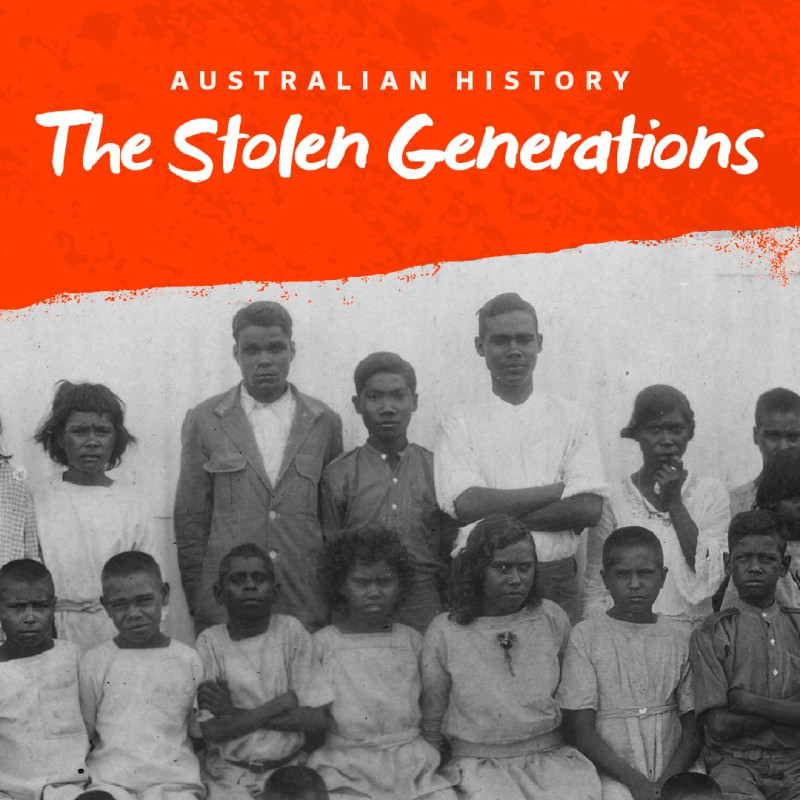
A past that shapes our story as a nation.
Tell stories that many Australians have never heard.
Immerse yourself in stories and articles to understand the connection between our nation’s past and present.
Busting the myth of peaceful settlement
Early missionaries to Australia
The civil rights movement in Australia

What’s it got to do with me?
Examines why this is relevant to every Australian.
Browse articles and stories that explore the ways we’re all connected, and what this means for us as Australians, collectively and individually.
What does this have to do with me?
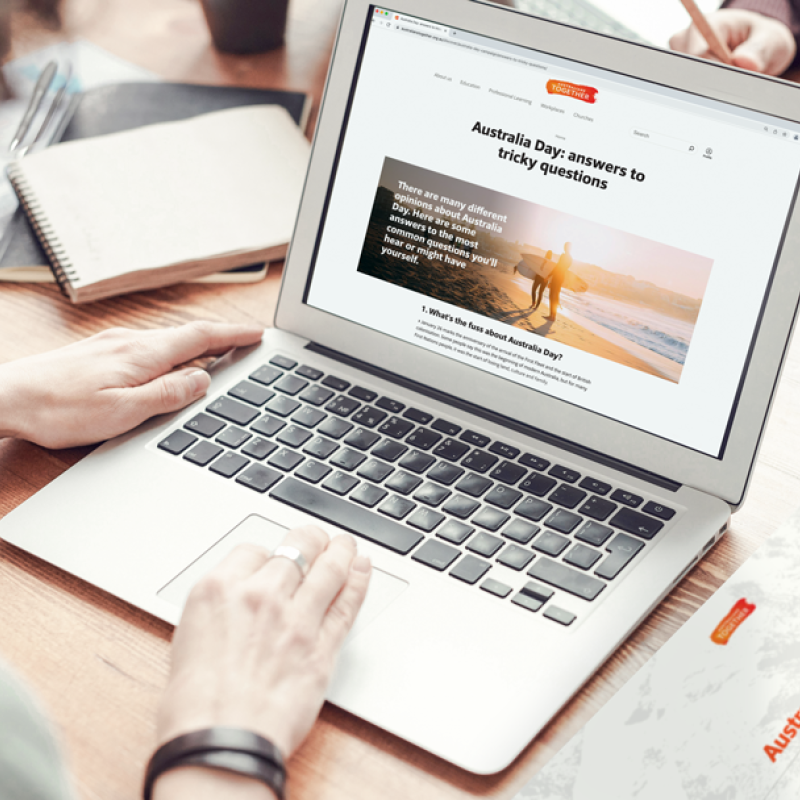
Australia Day: answers to tricky questions
Everyone has culture. Know about your culture and value the culture of others.
Dive into stories and articles that explore the significance of culture and its role in building a brighter future together.
Welcome to and Acknowledgement of Country
Steps we can take to build a brighter future.
Find inspiration in stories and articles that show even little steps can lead to big change when we do things together.
How do I get the most out of these resources?
The resources are designed to be flexible and modular, working around how you like to teach. You can use the resources exactly as they’re designed, or as a starting point from which to build your own lessons. Make them your own and use them to help you feel more confident in class.
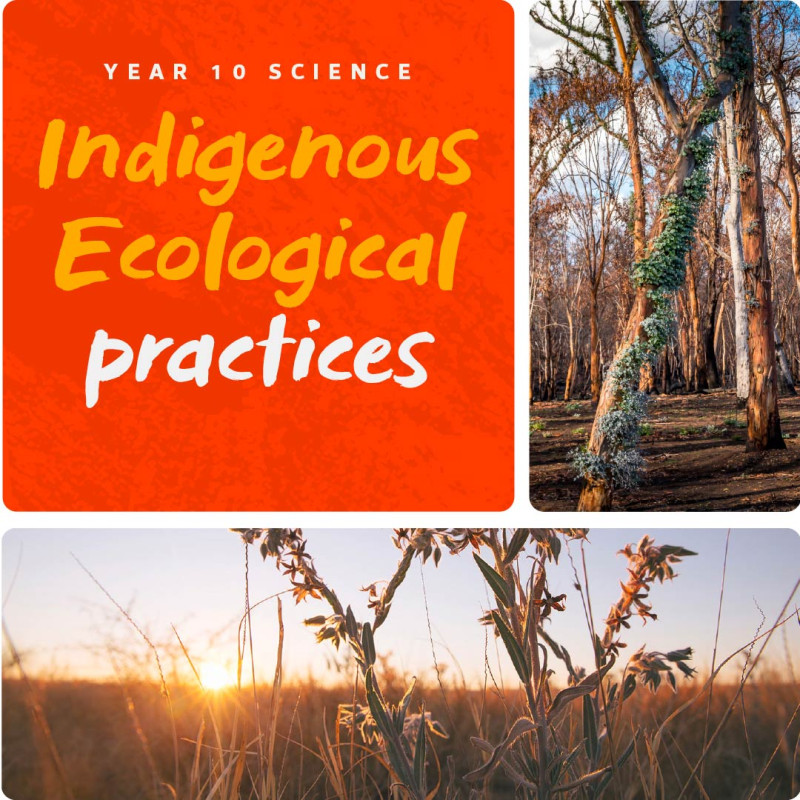
Ready-made resources that save you time and help engage students
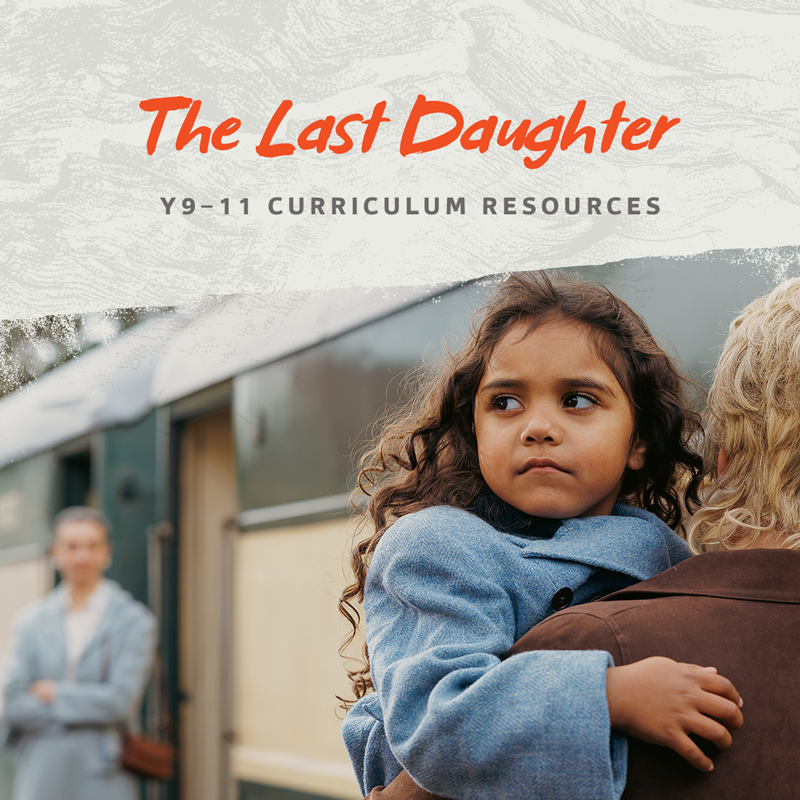
Make a difference in your classroom with easy-to-use, ready-made resources that will help your students understand First Nations stories, experiences and perspectives.

- Everything is ready to go
- Save you time
- Authentic learning
How will Australians Together continue to help me?
Change takes time and we’re here to provide the support you need over the long term. We’re constantly building new resources and we love to hear from educators like you. Feel free to reach out at any point and we can see how we can help. Together we can build a brighter future and a more united Australia for everyone.
Here’s why so many teachers love our resources:
- Everything is ready to go
Our resources include teacher guides and student handouts. - Save you time
Teachers love our resources as they it saves them time when lesson planning and they’re packed full of activities that really engage students. - Authentic learning
Teachers are following our resources’ responsive framework to confidently teach about Aboriginal and Torres Strait Islander histories, cultures and perspectives.
Have your say

Lets talk
We'd love to hear your feedback, comment or suggestions.
contact@australianstogether.org.au
Phone: (08) 7073 6499
PO Box 107
PARK HOLME SA 5043