

 The Wound
 Our History
 Why Me?
 Our Cultures
 My Response

NEW - Learn and Do resources
Ready-to-go activities, to save you time and engage your students
Find out more
NEW - Learn and Do resources
Find out moreEarly Years
Early Years Dance
Children explore dance, and its importance in First Nations cultures, through First Nations picture books, videos and movement-based activities. Children find out more about some dance-related language from local community, and create a song with actions for the whole community to follow along to.
Early Years Song
Children listen to First Nations songs to learn how songs and singing can help connect us to Country. They listen to Emily Wurramara’s music, learning how her music revitalises language and connects her to Country and culture. Children then observe Country to create their own song with actions.
Early Years Hello Country, hello friends
This resource guides early learners through welcoming ceremonies inspired by Aboriginal and Torres Strait Islander practices, using songs, stories, art and shared rituals, to foster respect, connection and a sense of belonging in culturally rich and engaging ways.
Early Years Play
In these activities, children learn about ways play connects us all, and about toys played with by First Nations children. They get to play First Nations games and make their own toys using natural materials. Children will begin to understand the ways we can all connect with Country through play.
Foundation
Foundation English & HASS – Stories, families, places: belonging forever and ever
Students use story books, songs and videos to explore the importance of place and family in First Nations stories. Students look at past and present First Nations stories and explore texts that relate to place, family and belonging. Students reflect with their families on their own stories embedded in place and create their own texts.
Year 1
Y1 English, Music & Dance – Storytelling through song and dance
Students explore the many ways stories can be told in First Nations cultures. They explore the cultural and educational role stories play and engage in processes of retelling and creating stories about our world and our experiences using elements of music, movement and dance.
Y1 Maths & Visual Arts – Patterns in First Nations cultures
Students explore the patterns linking their world with First Nations cultures, investigating patterns in nature, storytelling, language and counting systems. Students identify, create and interpret patterns, with a focus on the meaning and value in patterns for First Nations Peoples.
Y1 English & Science – Tracking meanings from cultures and Country
Students will be immersed in First Nations stories, art and dance and reflect on how this can enrich their own communication and understanding. They will learn how to use features such as animal tracks, visual patterns, rhyme, descriptive words and movement to read the world and communicate meanings to others.
Year 3
Y3 Drama, Dance, HASS & Health and PE – Connection to Country
Students inquire into the unique and spiritual connection First Nations Peoples have with Country. Students explore aspects of the interconnectedness First Nations Peoples have with Country through elements of drama and movement.
Y3 HASS & Visual Arts – Where we live: mapping Country
Students are guided to see the different ways maps can represent place and learn conventions of mapping, such as BOLTSS. They identify boundaries and territories of geographical and political regions and First Nations language groups. Through the Ngurrara Canvas and other art, students also explore ways First Nations people map Country.
Y3 HASS – Putting the YOU in community
Students explore community participation and how to actively contribute as an ally to First Nations communities. Through examining history from First Nations perspectives and learning how to determine fact from opinion, students create a plan to support a First Nations cause.
Year 4
Y4 HASS, Music & Visual Arts – Culture of sustainability
Students explore First Nations Peoples’ unique relationship with and responsibility to care for Country. They learn about ways of caring for Country and how knowledge has been passed down, and practices adapted to each geographic location and available resources. Students reflect on their role in protecting biodiversity in local areas and beyond.
Y4 English & Health and PE – Stories of identity
This unit immerses students in the cultural stories and songs of First Nations Peoples, exploring the important role cultural practices and beliefs play in the development and expression of identity. Students consider the role culture plays in their own lives and reflect on how they might express their unique identity.
Year 5
Y5 Languages – Culture speaks through the Arts
Explore how First Nations cultures, and target language cultures, express identity through art, dance and music. Students build language skills, cultural understanding and creativity through inquiry, reflection and a final project of their choice.
Y5 Music & HASS – Music as cultural expression
Students explore musical styles of First Nations musicians, the use of instruments and language/s in their music, and how culture can be shared through song. Students then create and present their own composition inspired by aspects of First Nations music explored in their learning.
Y5 English & Media Arts – One continent, many voices
Students examine literary texts by First Nations people that depict impactful events. They explore aspects of the texts that convey historical context, investigate narrative voices in the texts, and analyse the responses these voices evoke.
Y5 Maths – Indigenous and non-Indigenous ways of mapping and navigating
Students use a grid reference system to describe locations, and use landmarks and directional language to describe routes. Students learn how First Nations people in Australia have designed sophisticated maps for thousands of years.
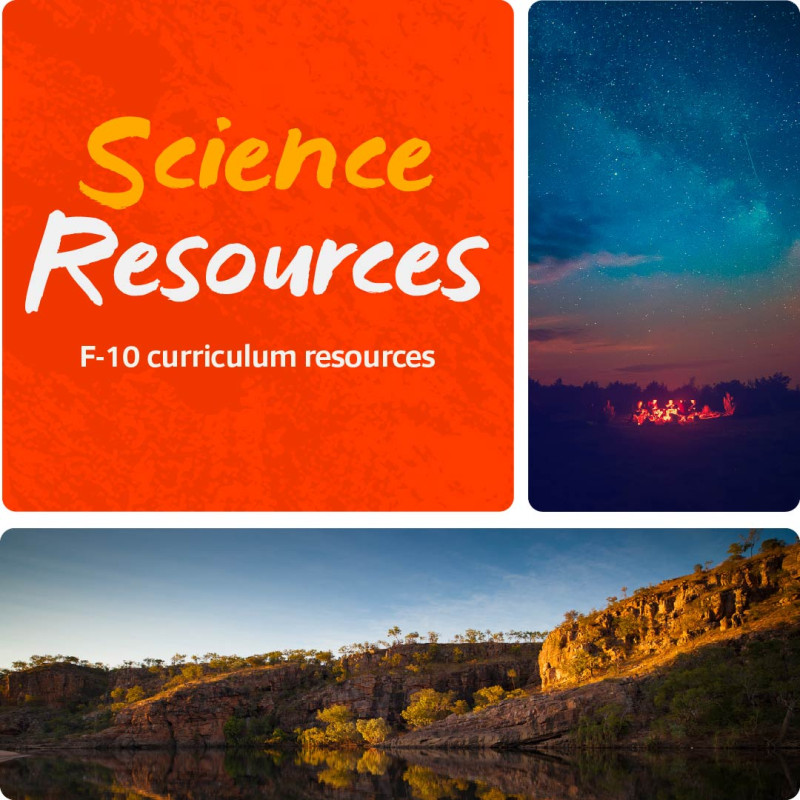
Y5 Science – Indigenous stories of the night sky
In this science resource, students will test predictions by gathering data and using evidence to develop explanations of observable facts and events. They’ll examine First Nations Peoples’ contributions to, and the importance of, Indigenous astronomy stories and knowledge to understand phenomena from the land, sky, sea and waterways.
Y5 English – The power and purpose of protest
This unit explores protest songs of the 20th and 21st centuries from Australia and around the world, looking closely at the techniques employed by artists to persuade audiences to their way of thinking. Of particular focus are persuasive techniques: emotive language, simile, metaphor, personification, repetition, alliteration and rhyme.
Year 6
Y6 Languages – Culture speaks through the Arts
Explore how First Nations cultures, and target language cultures, express identity through art, dance and music. Students build language skills, cultural understanding and creativity through inquiry, reflection and a final project of their choice.
Y6 Science & Visual Arts – Learning from sky Country
Students learn about First Nation Peoples knowledges of the sky and the ways observing the night sky can inform ways of timekeeping. They view stories, pictures, dance and petroglyphs to develop their understanding of sky Country and better understand its significance to First nations people.
Year 7
Y7 Media Arts – Celebrating First Nations media
Students explore representations of First Nations Peoples throughout history in the media and in works of First Nations producers and directors. Students consider who has the ‘right to story’ and build their understanding of Indigenous Cultural and Intellectual Property protocol.
Y7 Music – Rich & rare: inclusive anthems
Students consider recent and historical updates made to Australia’s national anthem; investigating purpose, structure and inclusivity of anthems. They explore perspectives of First Nations people and non-Indigenous people, and work together to create an inclusive anthem for their school community.
Y7 Languages – Connecting language to place
Through an examination of interconnected elements of identity, students build and apply knowledge of target language and culture. They explore First Nations People’s connection to Country and the way language, culture, family and place shape identity in all people.
Y7 English – Poetry of place
Students explore poems by First Nations authors on themes such as connection to Country, disconnection from Country and heroes on Country. Students learn how literary devices are used by First Nations poets to build meaning, and create original poetry to demonstrate their learning.
Y7 English – Whose experience? Whose perspective?
Students explore the representation of Indigenous characters in texts from different historical, social and cultural contexts. They analyse stories and songs of challenge told by First Nations people to build knowledge about culture and literary heritage of Aboriginal and Torres Strait Islander Peoples.
Year 8
Y8 Media Arts – Celebrating First Nations media
Students explore representations of First Nations Peoples throughout history in the media and in works of First Nations producers and directors. Students consider who has the ‘right to story’ and build their understanding of Indigenous Cultural and Intellectual Property protocol.
Y8 Music – Rich & rare: inclusive anthems
Students consider recent and historical updates made to Australia’s national anthem; investigating purpose, structure and inclusivity of anthems. They explore perspectives of First Nations people and non-Indigenous people, and work together to create an inclusive anthem for their school community.
Y8 Languages – Connecting language to place
Through an examination of interconnected elements of identity, students build and apply knowledge of target language and culture. They explore First Nations People’s connection to Country and the way language, culture, family and place shape identity in all people.
Y8 Economics and Business – First Nations trade and business
Students learn about First Nations business ownership successes and barriers, and begin to understand First Nations trade before colonisation began. They complete a case study of a First Nations business, and devise a business idea that contributes to their community, in response to their learning.
Y8 Science – Geological events of Australia
This unit explores the cultural accounts of geological features and events by First Nations Peoples, and how these histories have been preserved for millennia. Students research and locate volcanoes around Australia and compare creation stories against the geological evidence found today.
Y8 Science – Rocking Country
In this geology unit, students explore how rocks are formed and change over time, alongside the importance of Aboriginal and Torres Strait Islander Peoples’ geological knowledges and rock selection. Students understand the importance of protecting culturally significant geological sites.
Y8 English – First Nations poetry and song
Students explore lived experiences of First Nations Peoples, reflecting on the use of language to examine themes of identity, Country and disconnection from culture. Students develop an understanding of tone and other literary devices, and skills in communicating their ideas about texts.
Y8 Geography – Landforms, landscapes and Dreaming
Students will explore significant landscapes in Australia and connections to First Nations Dreaming. They’ll consider perspectives about Country and land use and create visitor guides to demonstrate understanding of landscapes and landforms and their significance to First Nations Peoples.
Y8 English – Contexts for togetherness
This unit allows students to develop awareness of the ideas, contexts and perspectives, around togetherness and the reconciliation movement. Students unpack relevant concepts and texts and are encouraged to approach learning about a complex issue that affects all Australians with respect and empathy.
Y8 Geography – Indigenous land management and its cultural value
Students will develop an understanding of Aboriginal and Torres Strait Islander Peoples’ diverse connections to and knowledge of Australia’s landscapes and landforms. Students will also explore the role Songlines play in knowing the land, and research Indigenous land-management techniques. Resource combines ACHGK049 & ACHGK052.
Year 9
Y9 Media Arts – Our history through media arts
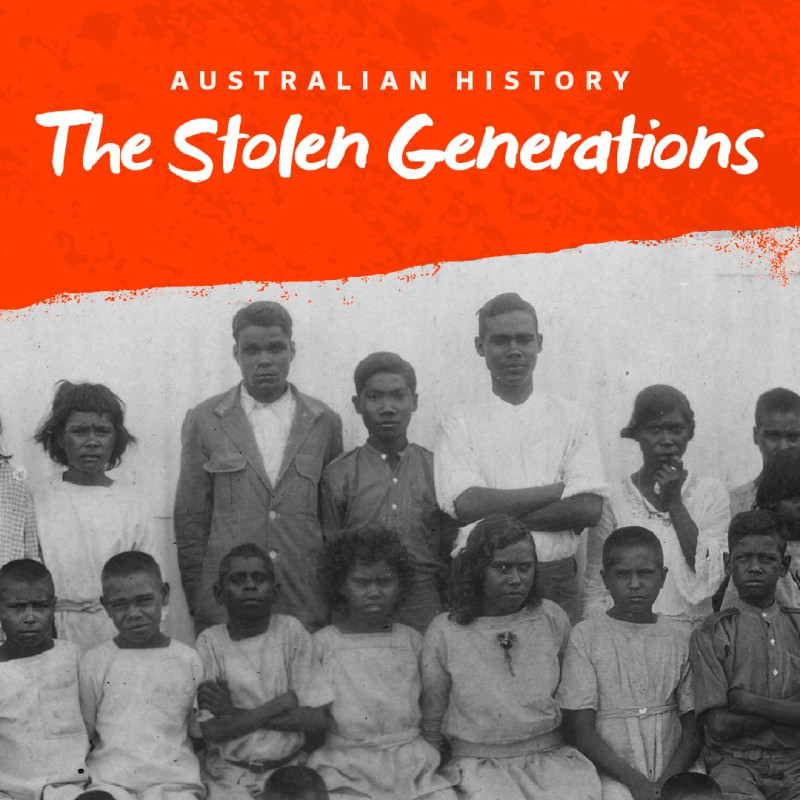
Students explore the history of colonisation and the impacts on First Nations Peoples through the media works of First Nations producers and directors who tell these stories. Students demonstrate their learning by producing their own short documentary.
Y9 Music – Culture and identity through music
Students explore First Nations perspectives in Australian music through listening, lyric analysis and discussion. They collaborate to develop and present original musical responses to the idea of identity, deepening their understanding of First Nations contributions and fostering cultural harmony.
Year 10
Y10 Media Arts – Our history through media arts
Students explore the history of colonisation and the impacts on First Nations Peoples through the media works of First Nations producers and directors who tell these stories. Students demonstrate their learning by producing their own short documentary.
Y10 Music – Culture and identity through music
Students explore First Nations perspectives in Australian music through listening, lyric analysis and discussion. They collaborate to develop and present original musical responses to the idea of identity, deepening their understanding of First Nations contributions and fostering cultural harmony.
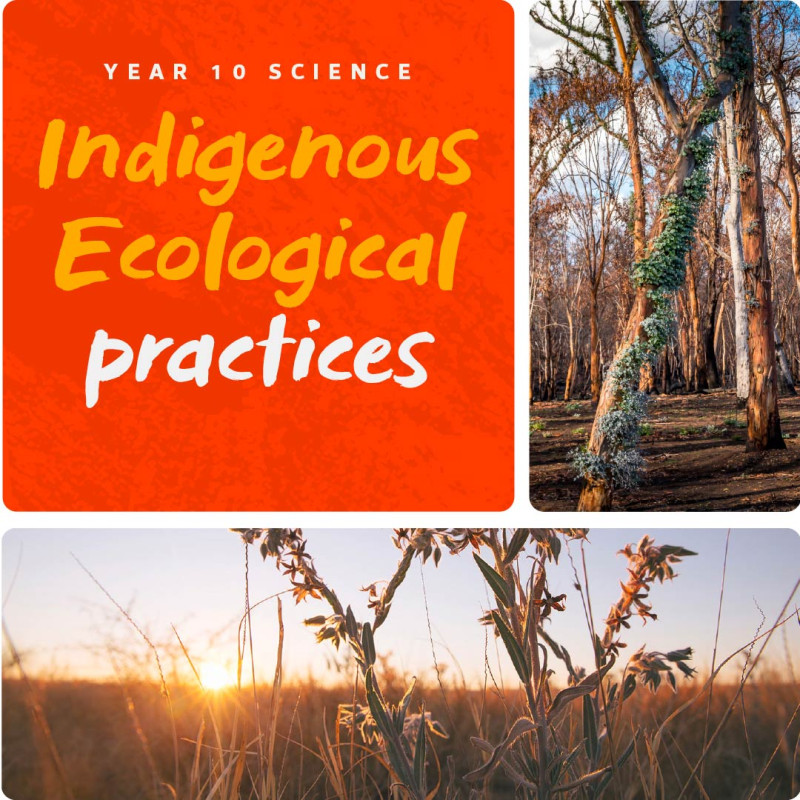
Y10 Science – First Nations science
Students learn about the contribution of First Nations knowledges to Western science, and the benefits of approaching science from different worldviews. They consider global issues using understanding of First Nations science and cultural knowledges, and show their understanding by writing a report.
Y10 Science – The biological evolution of First Nations Peoples to the harsh Australian climate
The past tells how our ancestors migrated across the world and came to settle in Sahul. A story of resilience is uncovered through studying the biological evolution of First Nations Peoples. Genetic isolation and extreme climate changes have given rise to societies rich in archaeological histories.
Y10 English – Dreaming: old and new ways
This unit encourages students to engage with and appreciate a diverse range of First Nations Dreaming stories. By exploring modernised texts, which have transformed previously oral texts into contemporary forms, students begin to appreciate the cultural importance of Dreaming stories.
Y10 Science – Exploring First Nations knowledges of celestial bodies
As the first astronomers in Australia, First Nations Peoples have rich knowledges and understanding of the night sky and how it affects the land. First Nations Peoples have used knowledges of the celestial bodies for navigation, weather predictions and explaining the universe's origin through sky stories.

Learn and Do - 'grab-and-go' activities
New curriculum resources designed to spark student engagement through interactive activities. Students will discover stories of remarkable First Nations people and explore key concepts like Country, connection and wellbeing.

Need custom curriculum resources for your school or organisation?
Our expert team of curriculum writers, First Nations cultural advisors, and academics can create high-quality resources tailored to your needs. We partner with schools and organizations to develop meaningful, culturally responsive materials.
Get in touch for a free quote on our curriculum development services.
Australians Together Learning Framework
Take a deep dive into the Learning Framework and explore our vast array of First Nations stories, activities, resources, and more. Curate your own customised learning journey to unlock the truth of our past, prompt reflection about our present, and inspire meaningful action that will bring about a brighter shared future for our nation.
Injustice from the impact of colonisation.
Discover our curated collection of stories, articles and statistics that expose the injustices at the heart of our nation.
Who are Indigenous Australians?
A past that shapes our story as a nation.
Tell stories that many Australians have never heard.
Immerse yourself in stories and articles to understand the connection between our nation’s past and present.
Busting the myth of peaceful settlement
Early missionaries to Australia
The civil rights movement in Australia

What’s it got to do with me?
Examines why this is relevant to every Australian.
Browse articles and stories that explore the ways we’re all connected, and what this means for us as Australians, collectively and individually.
What does this have to do with me?
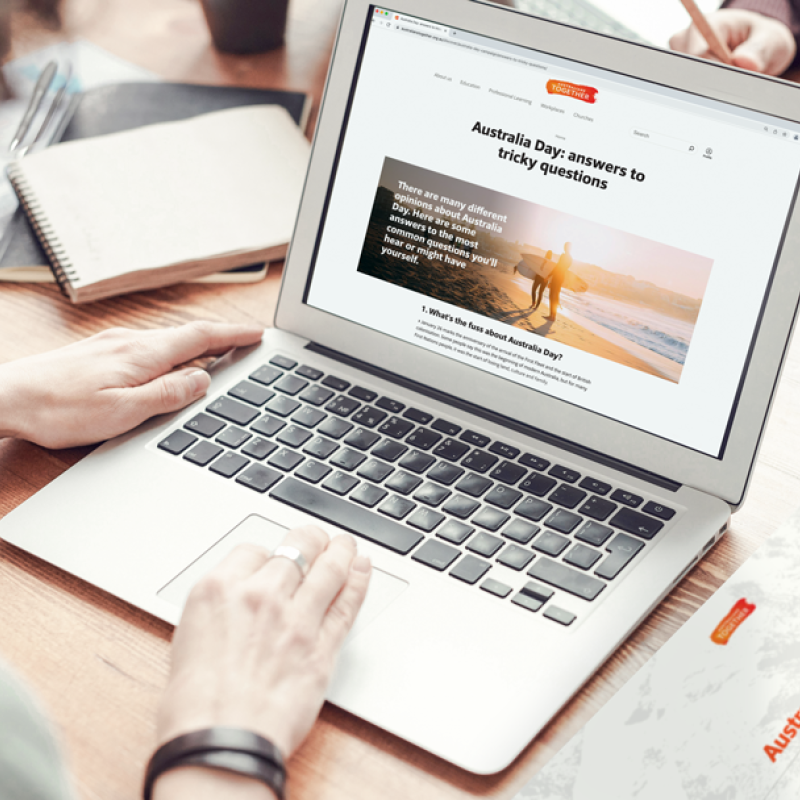
Australia Day: answers to tricky questions

Everyone has culture. Know about your culture and value the culture of others.
Dive into stories and articles that explore the significance of culture and its role in building a brighter future together.
Welcome to and Acknowledgement of Country
Steps we can take to build a brighter future.
Find inspiration in stories and articles that show even little steps can lead to big change when we do things together.
How do I get the most out of these resources?
The resources are designed to be flexible and modular, working around how you like to teach. You can use the resources exactly as they’re designed, or as a starting point from which to build your own lessons. Make them your own and use them to help you feel more confident in class.
Ready-made resources that save you time and help engage students
Make a difference in your classroom with easy-to-use, ready-made resources that will help your students understand First Nations stories, experiences and perspectives.

- Everything is ready to go
- Save you time
- Authentic learning
How will Australians Together continue to help me?
Change takes time and we’re here to provide the support you need over the long term. We’re constantly building new resources and we love to hear from educators like you. Feel free to reach out at any point and we can see how we can help. Together we can build a brighter future and a more united Australia for everyone.
Here’s why so many teachers love our resources:
- Everything is ready to go
Our resources include teacher guides and student handouts. - Save you time
Teachers love our resources as they it saves them time when lesson planning and they’re packed full of activities that really engage students. - Authentic learning
Teachers are following our resources’ responsive framework to confidently teach about Aboriginal and Torres Strait Islander histories, cultures and perspectives.
Have your say

Lets talk
We'd love to hear your feedback, comment or suggestions.
contact@australianstogether.org.au
Phone: (08) 7073 6499
PO Box 107
PARK HOLME SA 5043